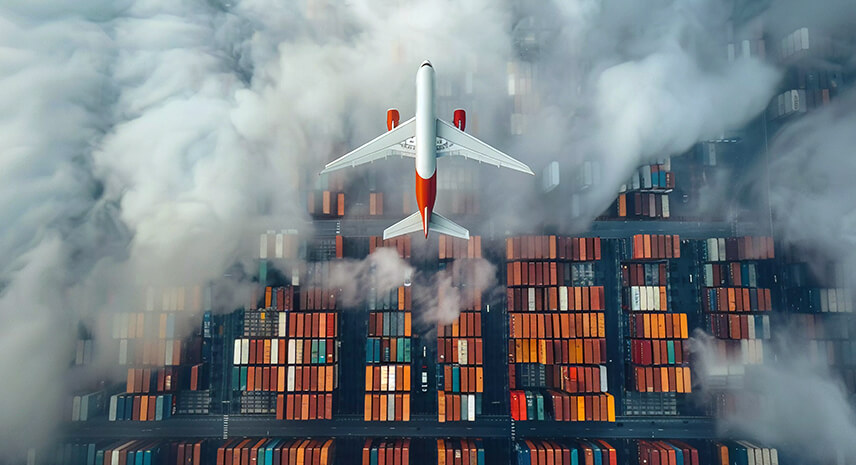
Modern Global Logistics Strategy: Navigating Ocean, Air, and Ground Freight Optimization
In today’s interconnected global economy, building a resilient supply chain requires more than basic freight transport. Global trade networks face unprecedented operational challenges—from sudden trade policy shifts and rising fuel costs to complex regulatory environments. To maintain efficiency, market leaders are adopting data-driven logistics management, end-to-end visibility platforms, and multi-modal transport strategies.
Whether managing regional distribution or international cargo operations, optimizing every tier of your supply chain ensures predictable delivery schedules, reduced holding costs, and superior customer satisfaction.
Key Pillars of a High-Efficiency Global Logistics Network
┌────────────────────────────────────────────────────────────────────────┐
│                   INTEGRATED LOGISTICS CONTROL TOWER                   │
│                                                                        │
│   [ Freight Forwarding ]    [ Control Tower Visibility ]   [ Last-Mile ]
│   • Ocean (FCL / LCL)       • Real-time IoT Tracking       • Urban Hubs  │
│   • Air Freight Expedited   • Predictive AI Routing        • 3PL Express │
│   • Land / Rail Network     • Automated Customs            • Door-to-Door│
└────────────────────────────────────────────────────────────────────────┘
A well-structured logistics network connects ocean, air, and ground transport through unified software platforms. This structural alignment allows operations managers to monitor cargo state in real time, mitigate route bottlenecks, and lower total landing costs.
Core Shipping Modes Compared
| Transport Mode | Speed Profile | Cost Efficiency | Best Use Cases |
| Air Freight | Fastest (1–3 Days) | Higher | Time-sensitive cargo, high-value electronics, pharmaceuticals |
| Ocean Freight (FCL/LCL) | Standard (10–30 Days) | Highest | High-volume industrial goods, heavy equipment, raw materials |
| Overland Trucking (LTL/FTL) | Regional (1–5 Days) | Moderate-High | Cross-border regional delivery, inland distribution |
| Rail Freight | Steady (5–12 Days) | High | Bulk inland commodities, long-distance intermodal transit |
1. End-to-End Visibility and Real-Time Tracking
Unpredictable delays represent one of the single largest costs in modern logistics. Modern enterprises rely on continuous tracking and IoT condition monitoring to maintain total control across every shipment leg.
- GPS & Sensor Integration: Real-time location data combined with temperature, humidity, and shock sensors ensures sensitive goods maintain strict quality control throughout transit.
- Predictive AI Analytics: Machine learning algorithms evaluate historical weather patterns, port congestion data, and carrier performance to forecast delays before they impact schedules.
- Automated Exception Handling: Digital control towers automatically trigger alternate routing or reallocate inventory when transit disruptions occur.
2. Multi-Modal Transport and Route Optimization
Relying on a single transport channel increases risk during global market disruptions. Multi-modal strategies combine ocean, air, rail, and road freight into a unified journey, balancing speed against cost efficiency.
                     ┌────────────────────────┐
                     │   ORIGIN DISTRIBUTION  │
                     └───────────┬────────────┘
                                 │
       ┌─────────────────────────┼─────────────────────────┐
       ▼                         ▼                         ▼
 [ Ocean Freight ]        [ Air Expedited ]       [ Inland Intermodal ]
   Port-to-Port             Hub-to-Hub              Rail & Trucking
       │                         │                         │
       └─────────────────────────┼─────────────────────────┘
                                 │
                                 ▼
                     ┌────────────────────────┐
                     │   DESTINATION FULFILL  │
                     └────────────────────────┘
Strategic Benefits of Intermodal Operations
- Flexibility During Congestion: If primary sea ports experience dwell delays, cargo can be diverted to regional air hubs or secondary overland corridors.
- Carbon & Cost Reduction: Combining rail for long-haul inland freight with electric vehicle last-mile networks reduces emissions and lowers fuel surcharges.
- Customs Clearance Optimization: Pre-clearing documentation digitally while cargo is in transit eliminates dock bottlenecks at major port-of-entry facilities.
3. Designing a Resilient Supply Chain Infrastructure
Building supply chain resilience requires moving beyond rigid “just-in-time” models toward flexible, buffered architectures. By diversifying supplier locations, establishing regional micro-fulfillment centers, and leveraging third-party logistics (3PL) partners, organizations insulate themselves against localized shocks.
Essential Steps for Network Resilience
- Diversify Trade Lanes: Avoid single-origin reliance by establishing secondary and tertiary shipping corridors across North America, Europe, Asia-Pacific, and South America.
- Leverage Nearshoring: Position warehouse and distribution centers closer to core end markets to shorten last-mile delivery times and reduce transit exposure.
- Standardize Warehouse Automation: Deploy automated picking, digital inventory management, and cloud TMS (Transportation Management Systems) to streamline warehouse throughput.
Frequently Asked Questions
What is the difference between FCL and LCL ocean shipping?
FCL (Full Container Load) reserves an entire container for one shipper’s cargo, ideal for high-volume goods. LCL (Less than Container Load) combines shipments from multiple shippers into a single container, offering a cost-effective choice for smaller freight volumes.
How does real-time freight tracking reduce operating costs?
Real-time tracking provides actionable visibility into driver routes, port dwell times, and transit status. This eliminates manual dispatch inquiries, prevents inventory stockouts, and minimizes late-delivery penalty fees.
Why is 3PL contract logistics important for international trade?
A 3PL (Third-Party Logistics) partner manages complex customs regulations, local fleet operations, and warehousing facilities, enabling businesses to scale cross-border shipping without heavy capital expenditure.
Leave a comment